



CFD trading is quite different from traditional stock trading because, with CFDs, you don’t own the underlying asset. It doesn’t matter where you are in the world; there is always more than one market open where traders can participate. Now that we’ve covered some of the necessary details regarding CFDs and how they work, it’s time to look at some examples to give you a better understanding from a market perspective. If you are an American citizen, trading in CFDs in any sort is illegal, and regulated companies will not allow you to open a CFD trading account. For short positions, calculated entitlement will be debited on ex-dividend date.
Margin
Before a broker allows a trader to use margin, they might want to gather more information, such as the trader’s identity and ability to cover potential losses. There will always be two prices displayed on a CFD trading platform. Then, the bid (sell) price is the price traders will use when they might want to open a short position. Yes, CFD trading is quite risky as almost more than 80% of the traders have the chance of losing their money.
If Barclays shares fall 10% to 252p, the value of the position is now £25,200. So with an initial deposit of just £5,600, this CFD trade has made a loss of £2,800. That’s a -50% loss on your investment, compared to just a -10% loss if the shares were bought physically. If Barclays shares rise 10% to 308p, the value of the position is now £30,800.
You should consider whether you understand how spread bets and CFDs work, and whether you can afford to take the high risk of losing your money. 62% of retail investor accounts lose money when trading spread bets and CFDs with this provider. To start CFD trading, you need a regulated broker, a verified account, deposited funds, and access to a trading platform. The process includes choosing an asset, selecting a direction (buy or sell), setting position size, and defining risk parameters like stop-loss. Learning how the platform works is essential before placing real trades.
Welcome to EBC Financial Group (UK) Ltd
Trading CFDs (contracts for difference) is a way of speculating on financial markets that doesn’t require the buying and selling of any underlying assets. When traders agree to trade CFDs, they enter into a contract with the broker. The trader, or “buyer,” and the broker, or “seller,” agree to a contract in which they speculate on the price of an asset in market conditions. While the trader speculates on financial products, the key distinction between CFDs and regular trading should be noted.
Create and fund a CFD trading account
You can also trade on mobile apps, allowing you to keep track of your profits and losses in real-time, on-the-go. CFDs can be traded on the industry’s most popular trading platforms, including MetaTrader 4 (MT4) and MetaTrader 5 (MT5). These platforms are equipped with all the tools you need to trade CFDs, including over 50 technical indicators and charting tools. Between stock CFDs, index CFDs and commodity CFDs, choosing your underlying asset is an important choice.
- CFDs provide access to a wide range of global markets from a single account, including forex, shares, indices, precious metals, oil, and cryptocurrencies.
- If you are a beginner, start with a CFD trading demo account and ensure you can handle the potential losses.
- Founded by seasoned trader Andre Witzel, who has years of experience, the platform offers educational resources and mentorship.
- The main differences are ownership, leverage, contract structure, and holding costs.
- Finally, once you have money with a trading platform and you’ve decided on your investments, you can start making your trades.
- It represents what traders are speculating on when they engage in CFD trading.
Step 5 – Place Your First Trade
Traders can access a wide range of underlying assets spanning stocks, indices, currencies, commodities, and bonds. Each asset class presents unique opportunities for traders to speculate on price movements without owning the underlying asset. This section explores the diverse range of underlying assets available for CFD trading. Trader losses in CFD trading refer to the financial setbacks traders incur due to adverse market movements or poor decision-making. These losses can happen when the value of a CFD position declines after it is opened, resulting in a decrease in the trader’s account balance.
Ability to Go Long or Short
Keep in mind that spreads vary from one broker to another, so it’s important to compare them carefully when selecting a reliable broker. To decide what kind of trade you want to open, you can use a broad range of indicators, charts and signals. To find out more about popular strategies and indicators, you can visit our forex strategies guide. In this guide, we will be taking a balanced look at trading CFDs, giving you access to all the information you need to decide whether it’s the right instrument for you.
A successful trader knows how to handle these losses without letting them affect their judgment. Instead of seeing a loss as a failure, view it as a small part of the process. This is why you must have a post-trade review habit to learn from losing trades and adapt your strategies as you move on. In a realistic scenario, you will of course factor in spreads, commissions, and overnight fees to get a more accurate number.
Leveraged trading with CFDs
They offer CFD traders the option to speculate on the price movements of these debt instruments without owning the underlying asset. Bonds are considered fixed-income securities, as they typically pay periodic interest payments to bondholders until maturity when the principal amount is repaid. One key advantage of trading indices in CFDs is the ability to profit from rising and falling markets. They also have high liquidity and great volatility, providing multiple trading opportunities for short and long-term strategies.
What are the risks of CFD trading?
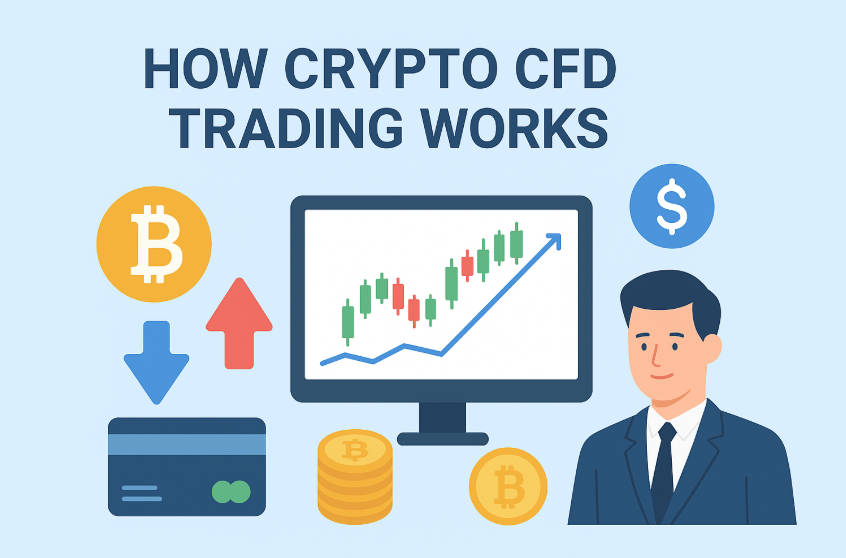
If the market drops to $4,250 and you close the trade, you profit from the decline. CFD trading has become one of the most popular ways for retail traders to access global financial markets. Learn how to start CFD trading as a beginner, how CFD trades https://ibushio.net/FxVerge-User-Reviews-Reliability-Transparency-and-the-Real-Trading-Experience/ work, and how traders potentially profit from CFDs while managing risk responsibly. One of the most common mistakes is using excessive leverage without proper risk control.
Do your investment research
The minimum deposit requirement is the lowest amount of money traders need to transfer into their trading accounts to start trading CFDs with a broker. This requirement varies among brokers and can range from a few hundred to several thousand dollars. It’s important for beginners to consider this when choosing a broker, as it determines the accessibility of trading opportunities based on their financial resources. Trading CFDs involves predicting price movements in financial markets. Unlike traditional trading, which terminates with the exchange of ownership, there is no transfer of ownership in CFD trading.
Determining Position Size for Beginners
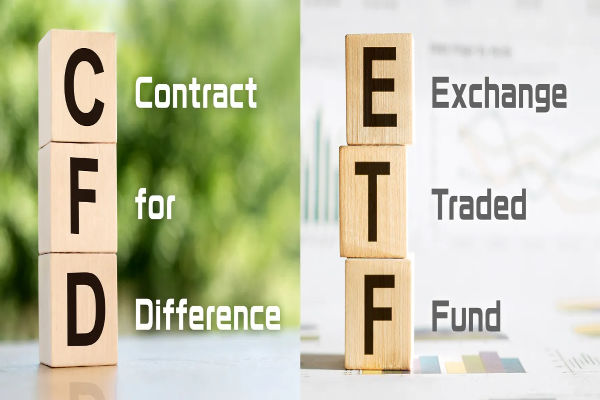
The platform covers everything from chart patterns to how to set up your first trade. Compared to other platforms, WR Trading offers more reliable and up-to-date information so you can stay on top of market developments. When deciding whether to take a long or short position in CFD trading, traders must consider how the market is performing and where it is likely to go in the future. Using technical and fundamental analysis traders can better predict how the market will move. If all signs indicate the CFD will gain value, then long, or if it will lose value, then short the position. Currencies, also known as forex pairs, are a prominent asset class for CFD trading.